
H
How to Read an NGS Cancer Report
Variants, biomarkers, evidence tiers and the questions to take to your oncologist
Browse every published guide, explainer and answer in the knowledge library.
11 articles
Back to home
Variants, biomarkers, evidence tiers and the questions to take to your oncologist
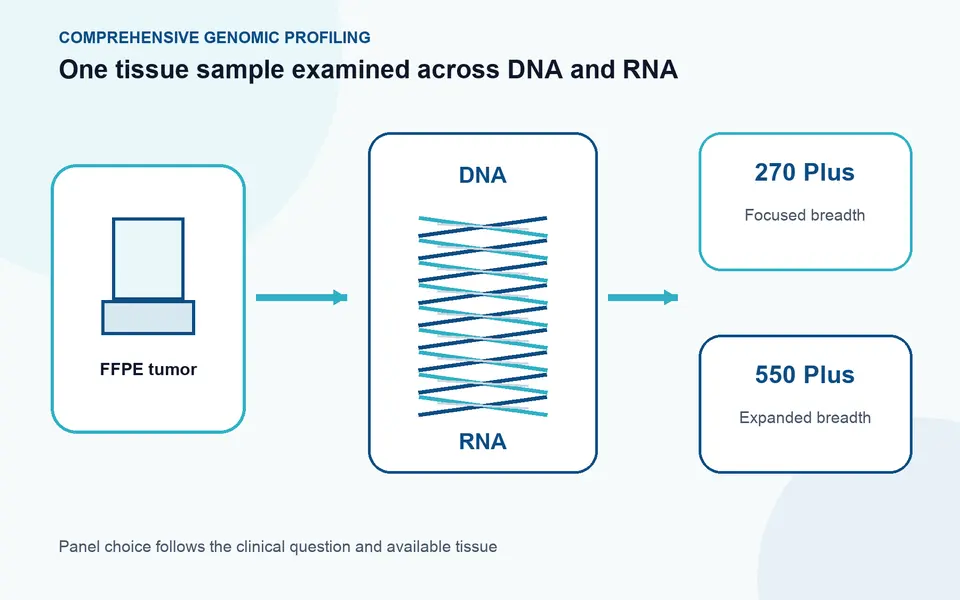
How the panels differ and how to read a comprehensive genomic profile
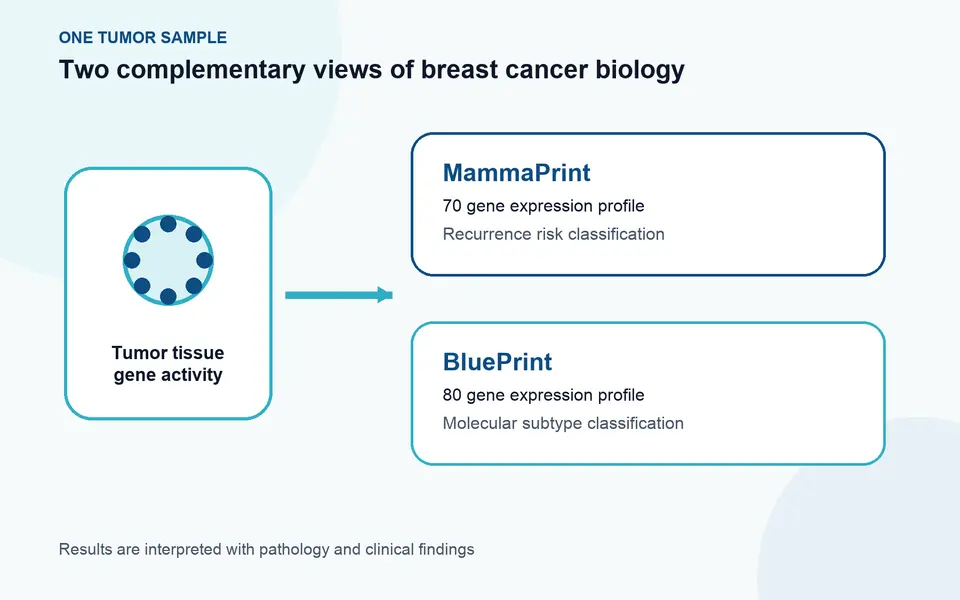
What the tests measure and how results support treatment discussions
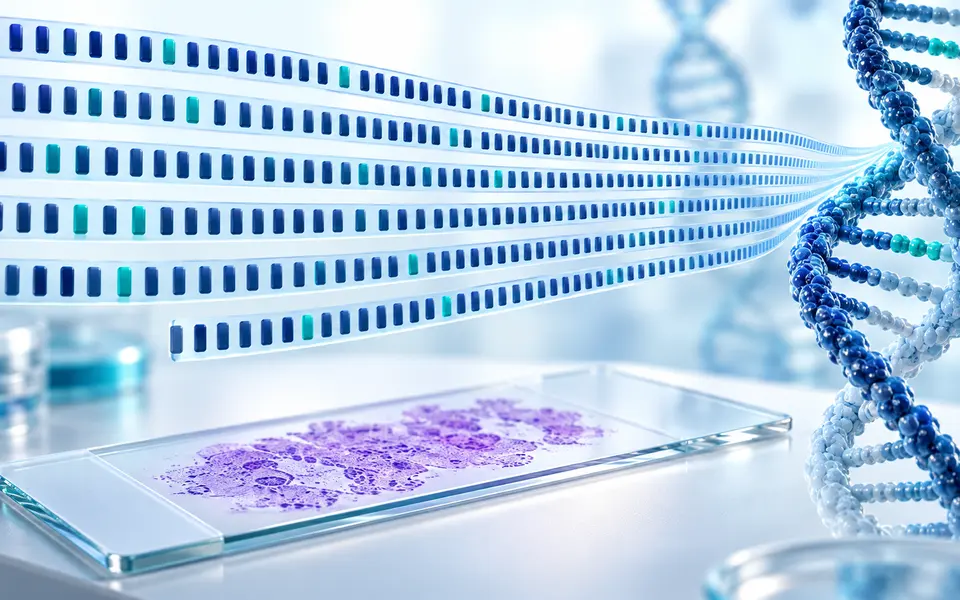
What VAF measures, why percentages vary and what they cannot tell you alone
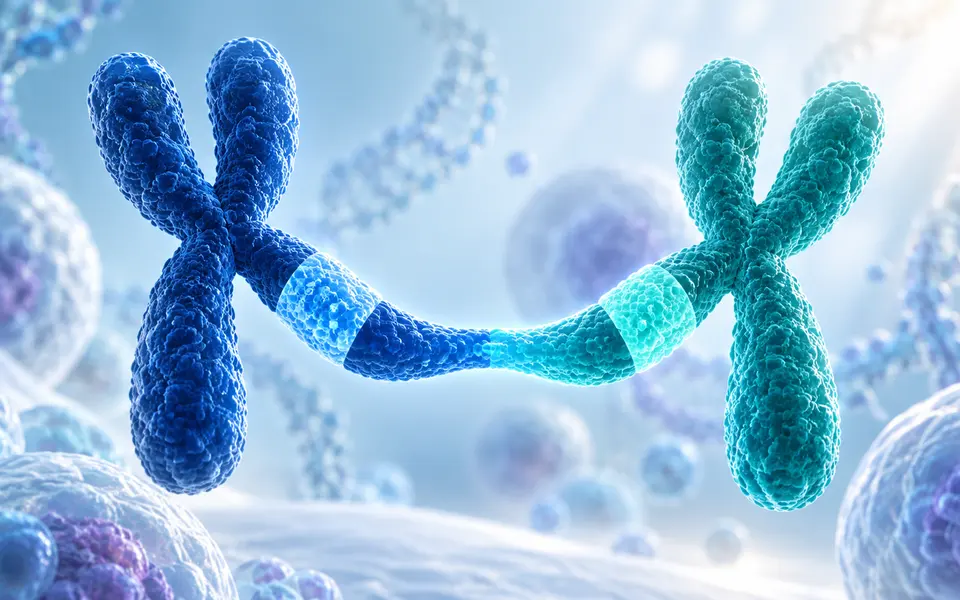
What a fusion means, how testing finds it and why the method matters
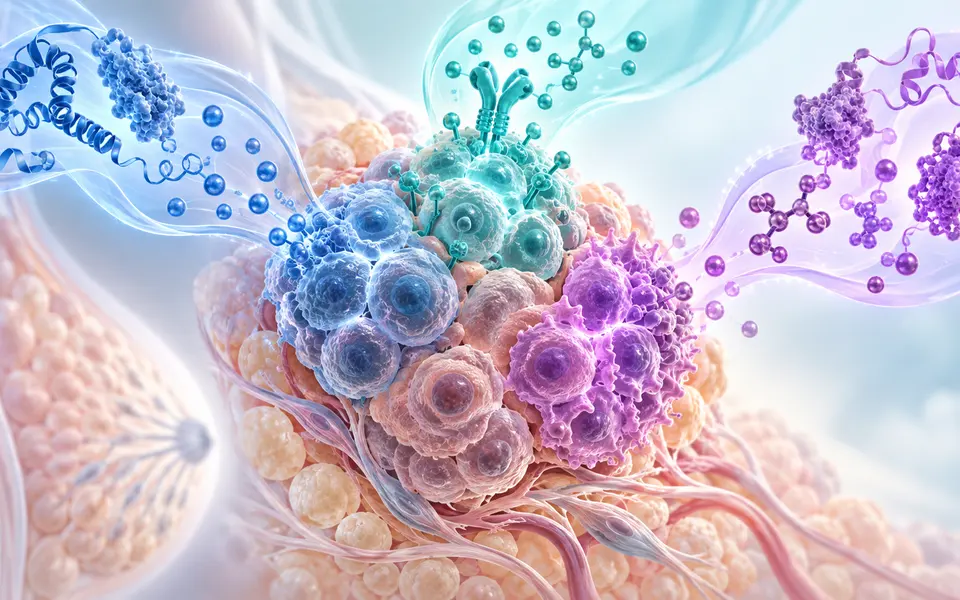
Luminal A, Luminal B, HER2 and Basal types—and how they differ from routine pathology labels
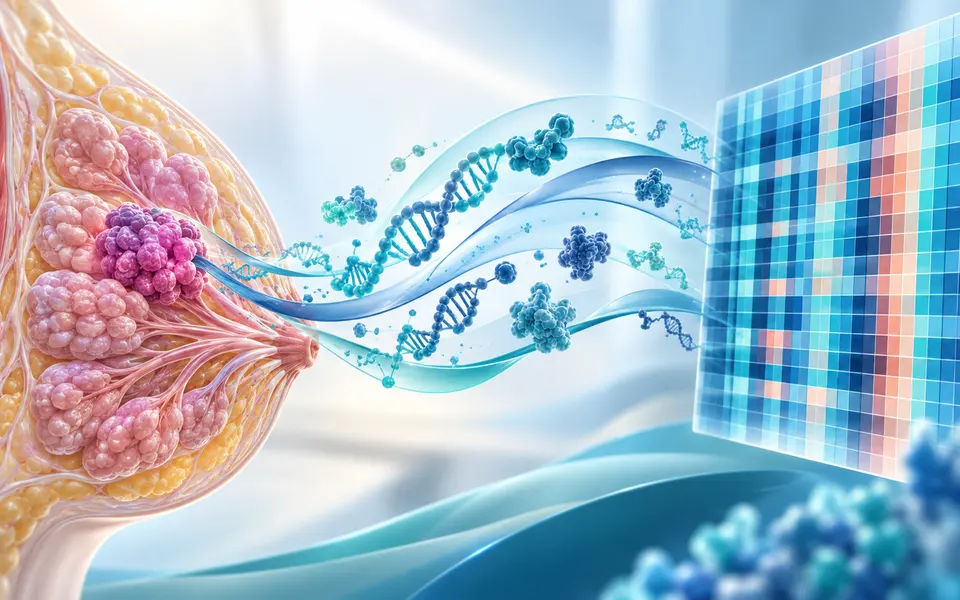
Risk categories, the MammaPrint Index and what to discuss when the report arrives
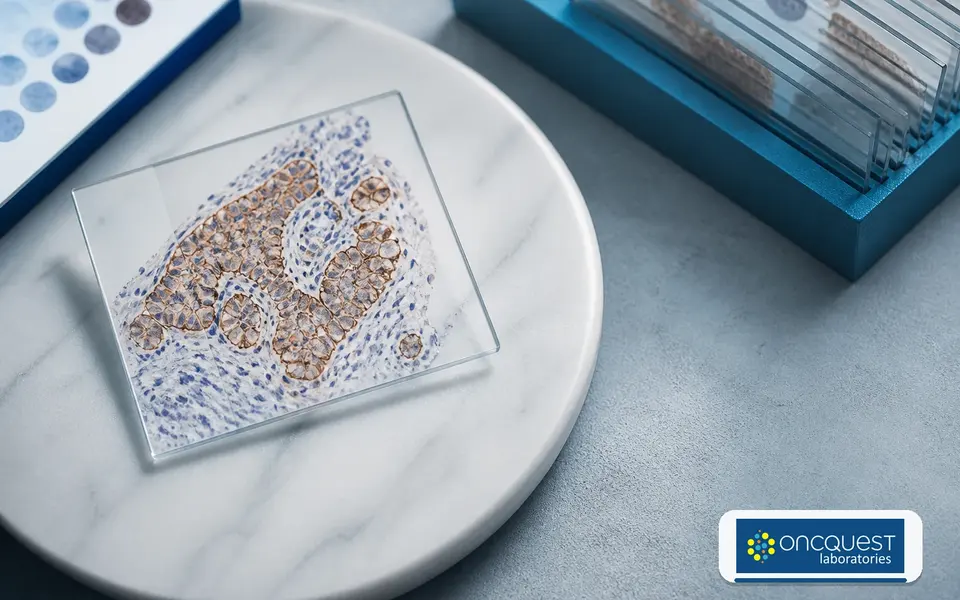
Understand what PD-L1 IHC measures, how TPS, CPS and immune-cell scores are calculated, and why results must be interpreted by your oncology team.

Understand MSI-high, MSI-low, MSS and dMMR, how PCR, IHC and NGS testing work, and how cancer biomarker reports are interpreted.

Understand HBOC, BRCA1/2 and other genes, inheritance, counselling, test choices and why a negative BRCA result may not exclude hereditary risk.

Understand BRCA1 and BRCA2, germline versus somatic findings, pathogenic variants, VUS results and genetic counselling in India.